
Choosing the right programming language to learn can shape your career opportunities.
Here are the top 5 languages to learn in 2025, with explanations and code examples.
1. Python
Why: Python dominates data science, machine learning, automation, and backend frameworks like Django and FastAPI. It’s beginner-friendly and has a massive ecosystem.
print("Hello, World!")2. JavaScript / TypeScript
Why: JavaScript runs everywhere — browsers, servers (Node.js), mobile apps, and desktop apps. TypeScript adds static typing for safer, large-scale projects.
JavaScript Example:
console.log('Hello, World!');TypeScript Example:
function greet(name: string): string {
    return `Hello, ${name}!`;
}

console.log(greet('World'));
3. Rust
Why: Rust is loved for memory safety and performance. It’s widely adopted in system programming, blockchain, embedded systems, and WebAssembly.
fn main() {
    println!("Hello, World!");
}
4. Go (Golang)
Why: Go is simple, fast, and designed for concurrency. It’s popular for backend systems, microservices, and cloud infrastructure.
package main

import "fmt"

func main() {
    fmt.Println("Hello, World!")
}
5. C#
Why: C# powers enterprise applications, Unity game development, and cross-platform apps with .NET MAUI. With Microsoft’s backing, it remains a solid, in-demand choice.
using System;

class Program
{
    static void Main()
    {
        Console.WriteLine("Hello, World!");
    }
}
Summary
- Python → AI, ML, automation.
- JavaScript/TypeScript → Web, full-stack, versatile.
- Rust → Performance, blockchain, systems.
- Go → Cloud, backend, concurrency.
- C# → Enterprise, game dev, .NET ecosystem.
🚀 If you master even one of these, you’ll stay highly relevant in 2025 and beyond.
Read more
Understanding Typing in JavaScript: Implicit, Explicit, Nominal, Structural, and Duck Typing
A deep dive into JavaScript’s typing approaches: implicit, explicit, nominal, structural, and duck typing. Learn what they mean, how they appear in practice, and why they matter for developers.
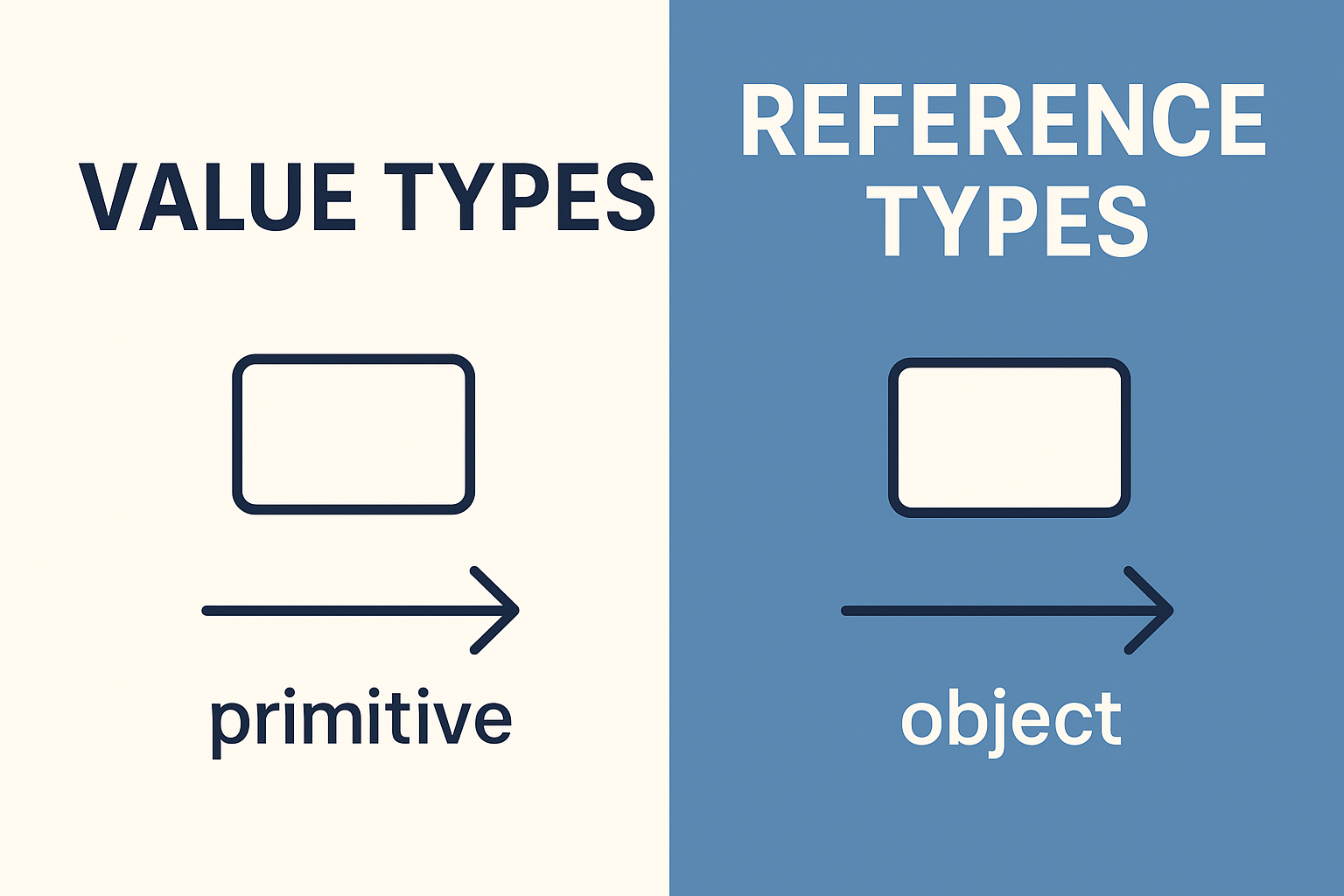
JavaScript Value Types vs Reference Types Explained
A clear guide to understanding the difference between value types and reference types in JavaScript, with examples, quirks, and best practices.
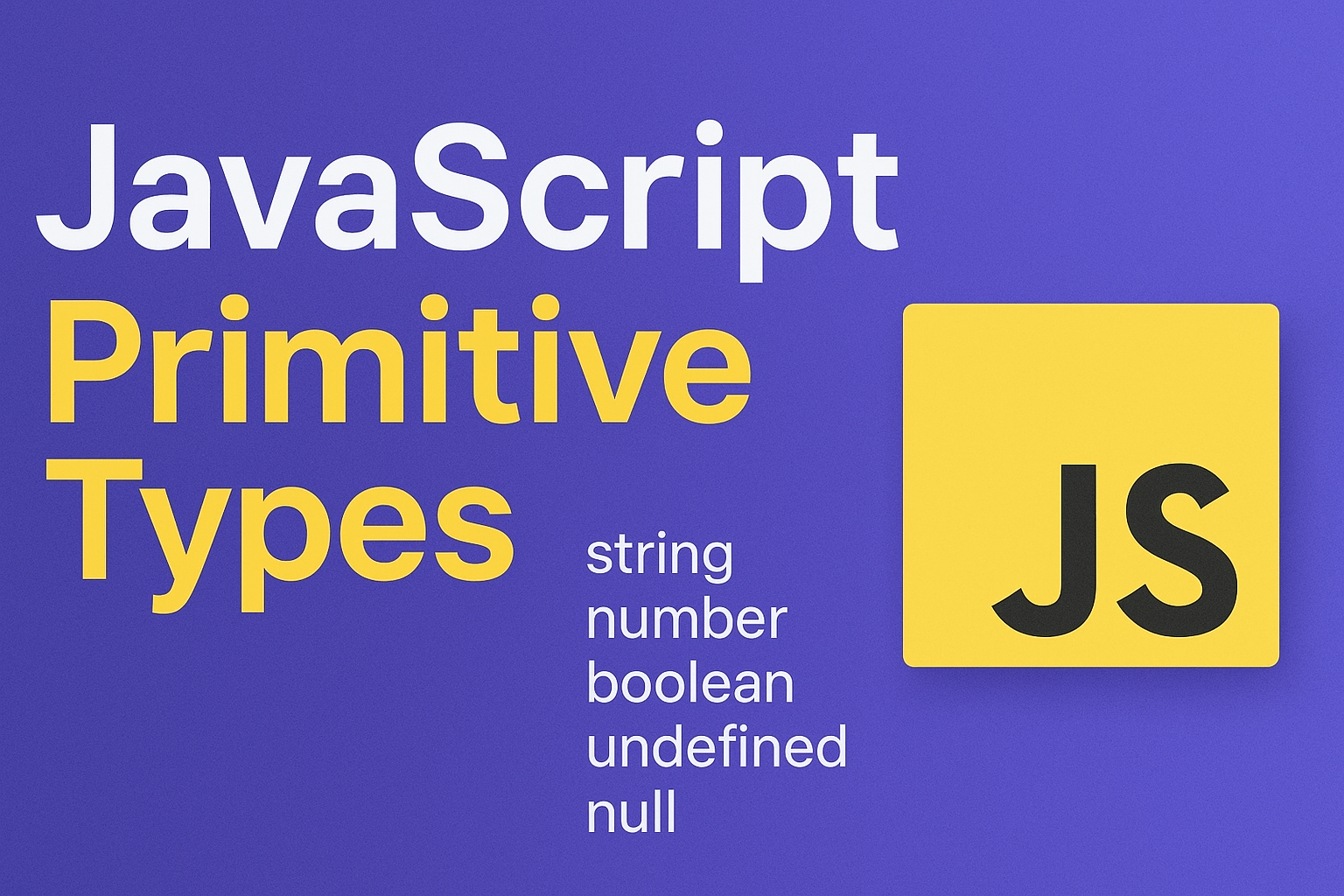
JavaScript Primitive Types: The Complete Guide
A deep dive into JavaScript's primitive types — what they are, how they behave, their quirks, and how to use them effectively.